
Taking risks A personal journey through the world of gambling
Gambling has long been a source of fascination, drawing people in with the promise of excitement and the potential for substantial rewards. From the ringing of slot machines to the shuffling of cards at poker tables, the sensory experience is captivating. The thrill of placing a bet often overshadows the risk involved, as players envision the life-changing possibilities that a lucky win could bring. Whether it’s a casino setting or an online platform, the allure remains strong and irresistible. For those interested in venturing deeper into this realm, exploring resources such as https://spinformulacasinoonline.com/ can provide valuable insights.

However, it is essential to understand that gambling is not solely about luck; it involves strategy, psychology, and a deep understanding of the games being played. Many individuals approach gambling with an emotional mindset, believing that their fortunes can turn at any moment. This mindset can lead to reckless decisions, as the excitement of the game often clouds judgment. It is crucial to approach gambling with caution and a clear plan to mitigate potential losses.
For some, the allure of gambling stems from a desire to escape reality. The world of casinos offers a thrilling distraction, allowing players to momentarily forget their daily stresses. Yet, this escapism can quickly turn into a dangerous cycle if not monitored. Recognizing the balance between entertainment and addiction is vital for a healthy relationship with gambling. Understanding the reasons behind the allure can help individuals make informed choices about their participation in this high-risk activity.
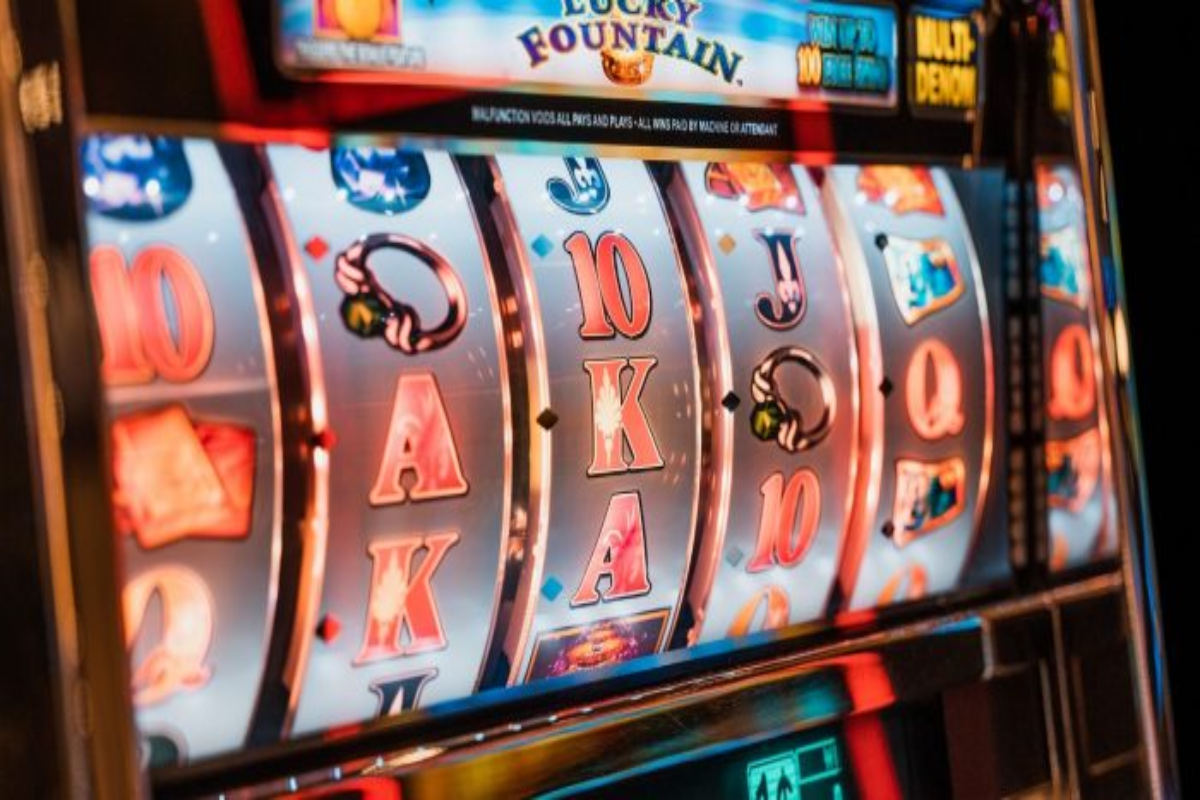
Like many, my initial encounters with gambling were filled with a mix of excitement and trepidation. The first time I stepped into a casino, I was overwhelmed by the vibrant lights and sounds that enveloped me. It felt like stepping into a different world where anything was possible. My first experience was on a slot machine, a simple game that required no skill but promised instant gratification. I remember the rush of adrenaline as I pulled the lever, eagerly waiting to see if luck would be on my side.
As I ventured further into the casino, I discovered table games like blackjack and poker, where skill and strategy played a significant role. I watched seasoned players with a sense of admiration, trying to absorb their techniques and strategies. My early experiences taught me that while luck is a factor, understanding the rules and having a solid game plan could substantially enhance my chances of winning. This realization ignited a deeper interest in the mechanics behind gambling.
Over time, my approach evolved as I learned the importance of managing my bankroll. The thrill of winning can often lead to impulsive behavior, but keeping track of my expenditures helped me enjoy the experience without falling into financial turmoil. These initial experiences shaped my understanding of gambling as not just a game of chance, but a complex interplay of risk, reward, and personal responsibility.
The psychological aspects of gambling are fascinating and complex. Many players are driven by a phenomenon known as the “gambling fallacy,” where they believe that past outcomes influence future events. This misconception can lead to a false sense of security, causing individuals to chase losses or make irrational bets based on perceived patterns. Understanding this psychology is crucial for anyone who wishes to engage in gambling responsibly.
Moreover, the emotional highs and lows that accompany gambling can create a rollercoaster of feelings, from euphoria after a win to despair after a loss. This emotional volatility can lead to addictive behavior if not managed correctly. Recognizing one’s emotional triggers is essential for maintaining control and ensuring that gambling remains a form of entertainment rather than a harmful obsession. Setting personal limits and adhering to them can serve as a protective barrier against potential addiction.
Additionally, the social aspect of gambling cannot be overlooked. Many people enjoy the camaraderie found in casinos or online platforms, where sharing experiences can enhance the enjoyment of the game. However, social pressures can also lead individuals to gamble more than they intended. Developing a healthy relationship with peers who share a similar approach to gambling can foster a positive environment that encourages responsible play.
While gambling can be entertaining and rewarding, the risks are real and should not be underestimated. The most immediate risk is financial loss, which can have serious consequences for individuals and their families. Many people enter casinos or online platforms with the hope of striking it rich, but the reality is that most players will walk away with less than they came with. Acknowledging this risk is the first step toward responsible gambling.
Additionally, the emotional toll of gambling can be significant. Losses can lead to stress, anxiety, and depression, creating a cycle that is difficult to break. For some, this emotional fallout can result in reckless behavior, leading to a dependence on gambling as a means of coping. Understanding the impact that gambling can have on mental health is vital for anyone participating in this activity. Seeking help and support is essential for those who find themselves struggling.
Furthermore, gambling can strain relationships with family and friends. Individuals may hide their gambling habits or downplay their financial issues, leading to mistrust and conflict. Maintaining open communication about gambling and its potential effects on loved ones is critical. Establishing boundaries and discussing expectations can help alleviate some of the relational strains that gambling may cause.
In recent years, online gambling has surged in popularity, offering convenience and accessibility that traditional casinos cannot match. With just a few clicks, players can access a wide variety of games from the comfort of their homes. This ease of access can intensify the risks associated with gambling, making it even more essential for individuals to approach online platforms with caution. Responsible gaming features, such as self-exclusion tools and deposit limits, are crucial for maintaining control while enjoying online gambling.
Many online gambling sites also provide resources for responsible gaming, including educational materials and access to support organizations. These resources can be invaluable for those seeking to understand their gambling habits and make informed decisions. Utilizing these tools can enhance the overall experience, helping players engage in gambling responsibly and sustainably.
Additionally, various communities and forums exist online where players can share experiences, strategies, and advice on responsible gambling. These platforms create an opportunity for discussion and reflection, allowing individuals to learn from one another. Engaging with these resources can promote a healthier relationship with gambling and foster a community focused on responsible play.